Commercial Roll-Up Door Springs
Flower Mound Commercial Doors
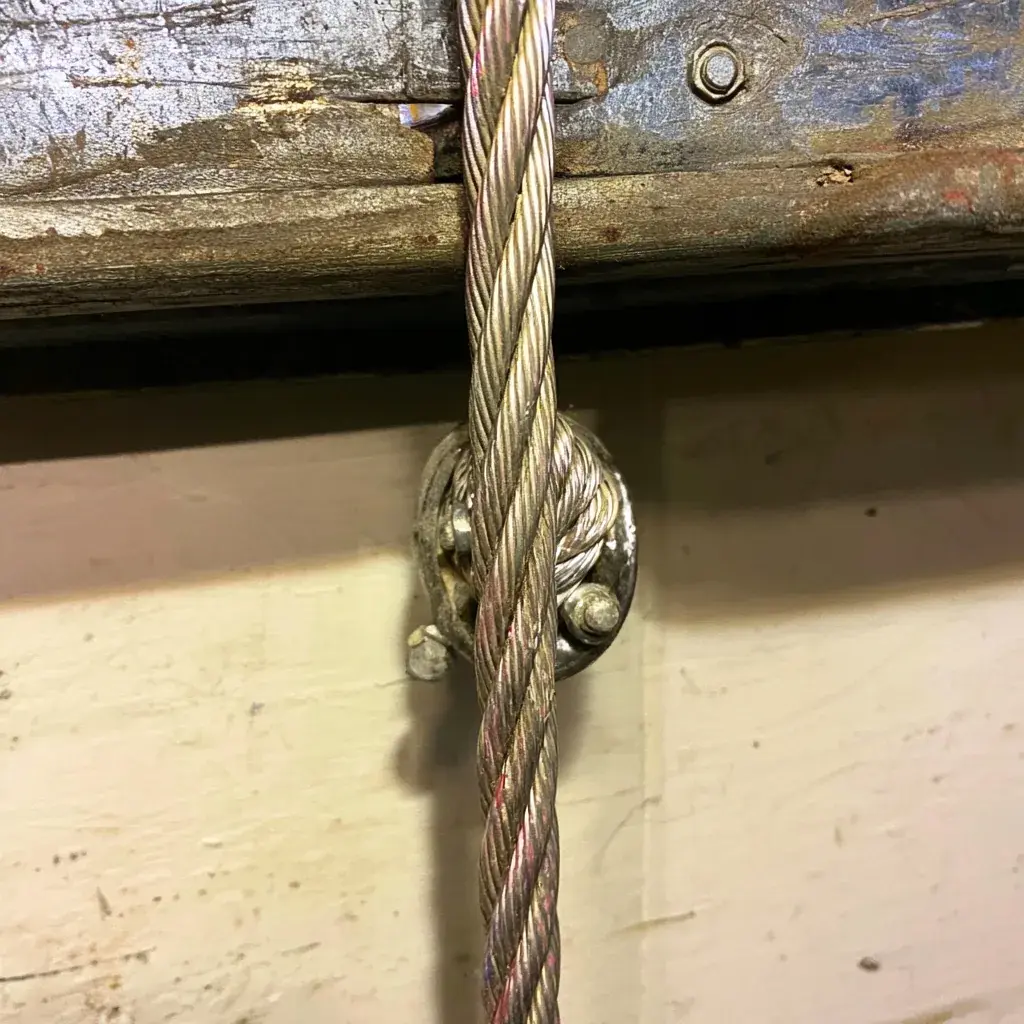
Plan Flower Mound dock door spring service around freight flow, impact checks, off-shift access, and clear records.
High-cycle springs are rated for repeated use, and their rating counts complete door openings and closings. In Flower Mound, use recorded door activity to set review timing; a calendar interval alone can miss heavily used doors or over-service lightly used ones.
A dock door that cannot move can hold up the work assigned to that opening. High-cycle springs counterbalance sectional doors that open and close many times daily, so their condition affects whether freight can keep moving. In Flower Mound, a facilities manager should treat spring service as downtime planning: track use, watch for impact damage, and arrange work around shipping hours.
Commercial spring repair cost depends on the door’s spring specification, its condition, and whether impact has damaged related parts. Timing matters too: work during active shipping can extend a closure or force staff to reroute loads. A Flower Mound facility can reduce that disruption by asking for a schedule tied to its own operating hours, rather than waiting for a failure to set the appointment.
This page explains how cycle use, freight impacts, and service timing shape a loading bay door spring schedule. It also covers the records that help a facilities manager plan later work and account for downtime. For a Flower Mound site, share shipping hours and door location with the pros we connect you with, then ask for a schedule that avoids freight periods.
A cycle means the door opens once and closes once. High-cycle springs are rated above standard builder-grade springs, commonly at 25,000 cycles or more, because frequent use can exhaust a lower-rated spring sooner. In Flower Mound, record each dock door’s use pattern and compare it with the spring’s rating when planning service; the rating estimates operating life, not a guaranteed change date.
A truck or freight strike can alter how a sectional door travels, even when the spring has not visibly broken. Stop using the door if it binds, hangs unevenly, or appears distorted, and keep staff clear. When reporting an incident at a Flower Mound facility, note which door was affected and when movement changed; that history helps the pros we connect you with assess the spring safely.
| Daily openings | Spring capacity | Work timing |
|---|---|---|
| Use pattern | Openings logged across receiving shifts | Constant sectional door use tracked by shift |
| Spring capacity | Rating suited to measured door demand | High-cycle springs for frequent daily operation |
| Door damage | No fresh contact marks on panels | Truck or freight strike leaves visible dents |
| Idle impact | Receiving door unavailable during a quiet interval | Blocked opening delays active freight handling |
| Work window | Choose a low-traffic site interval | Set an off-shift visit around shipping hours |
| Review notes | Record spring wear and door movement | Log impact marks and follow-up needs |
| Visit record | Save findings with the door identifier | Add a useful locator, such as Bob Jones Park or Central Park |
| Next service | Revisit the schedule as use changes | Arrange planned work before a busy shipping period |
Cycle logs give a facilities manager a better planning signal than elapsed time alone. A heavily used dock door may approach its spring rating sooner than a rarely opened one, while a rating cannot account for every impact or operating condition. For a Flower Mound building, keep usage notes by door and review them alongside movement changes before setting the next service window.
After a contact with a truck or freight, staff should report new rubbing, a change in travel, or a door that will not stay in position. Do not ask them to test a suspect door repeatedly; continued movement can worsen damage and extend downtime. At a Flower Mound site, route the report to the person coordinating service and keep the opening out of use if it binds or hangs.
Torsion springs on the same door share its operating history. When one wears out, the other has carried a comparable load and may fail soon, so replacing them as a matched pair can avoid another interruption. Schedule the pair change during a quieter shipping window in Flower Mound, and have the pros we connect you with secure the door before handling the loaded springs.
A disabled dock door can delay loads assigned to that opening and consume staff time while work is rerouted. The cost grows with the length of the closure and the importance of that door to the shipping plan. A Flower Mound manager can estimate the business impact by identifying affected freight, available alternatives, and the hours the opening must remain unavailable.
Off-shift service can keep spring work out of active freight periods, if the bay can be cleared and access arranged. Confirm the window, site contact, and any operating constraints before the appointment; unclear access can add delay. For a Flower Mound facility, compare overnight or weekend availability with shipping hours, then choose a period that leaves staff time to prepare the opening.
A useful service record identifies the dock door and states what work was completed. Include the spring type and rating, installation date, observed damage, and any parts found worn during the visit. A Flower Mound facilities manager can keep the record with that door’s cycle and impact notes, making later scheduling decisions easier to trace.
Impact notes help distinguish gradual wear from a sudden change after contact. Record the time, door location, visible change, and whether staff stopped using the opening; attach the service findings when available. If a site description needs a local reference, Flower Mound landmarks such as Old Town, Oak Grove Park, or Meadowmere Park can help identify the general area without replacing the facility’s address.
A planned spring change gives a manager more control over when a door is unavailable. Use its cycle history, recent movement reports, spring rating, and quieter shipping periods to choose a service window. In Flower Mound, place the work before a known busy period when the records indicate the spring is nearing its rated use, rather than waiting for an unplanned closure.
When arranging service, give the pros we connect you with the door location, observed use, spring rating if known, and any recent impact signs. Share shipping hours and the time the opening can be cleared. Ask for a dock door spring schedule built around those hours so maintenance does not interrupt freight flow at your Flower Mound facility.
A disabled dock door can hold freight, leave staff waiting, and push work into a later shift. In Flower Mound, the cost grows with each hour a bay stays unavailable. High-cycle springs support repeated use, but impacts from trucks or freight can change how a sectional door travels. Log operating changes and strike damage, then schedule service during a shipping pause or off shift. Facilities near Twin Coves Park, Turner Soccer Complex, and Lewisville Lake can use the same approach: plan around freight flow and keep each door’s service record current.
A community listing offers a starting point. Check whether the specific home falls within the pros we connect you with's service area across Denton, includingRoanoke, Flower Mound and Lewisville. Before choosing a time, ask if the call-out is charged separately and whether an address outside the service area affects the fee.
For a commercial account, the estimate follows the planned visit and its mix of doors. Worn springs can affect how smoothly a commercial door moves. Larger openings, more doors, difficult access, or closer service intervals can change what a retail site or loading facility needs.In Flower Mound, a commercial door’s width, weight, lift setup, and daily use can change spring size and related parts, shifting the quote. When calling, describe the opening, door construction, use pattern, and visible damage so the pros we connect you with can identify what needs pricing.Review pricing guide for cost bands; commercial overview describes the structure of a scheduled commercial program.
Flower Mound Commercial Doors
Storage Facility Service
In Flower Mound, set service timing from recorded cycles and observed use, not a calendar guess. Have the pros we connect you with inspect the sectional door after a truck or freight strike, including its springs and lift cables. Schedule a low-volume window. Keep the findings, parts changed, and next review date on file. Pair the address with the door ID; Grapevine Lake, Lake Lewisville, and Old Town are landmarks, not equipment identifiers.
Yes. Tell the service provider when freight movement slows and when the bay can be made available. An after-hours or off-shift appointment can reduce disruption, but allow time to secure the door and check its travel before it returns to use. For Flower Mound facilities, include shift changes and the next planned use of that bay when setting the window.
Keep the bay identifier, visit date, spring type and cycle rating, and any signs of impact or wear. Ask that the record include the technician’s findings and the door’s balance and travel results after service. Flower Mound facilities can attach that entry to the door’s existing maintenance file, making the next scheduling decision easier to trace.
Yes. A truck or shifting freight can strike a sectional door and bend or misalign parts along its travel path. The resulting drag can increase the load on the springs, even when a coil looks intact. Report the impact and have the door checked before returning it to regular use. A spring replacement alone may not address binding caused by the strike.
Ask the pros we connect you with for a Flower Mound dock door spring schedule based on shipping hours and each bay’s service record.
Call +12148075085